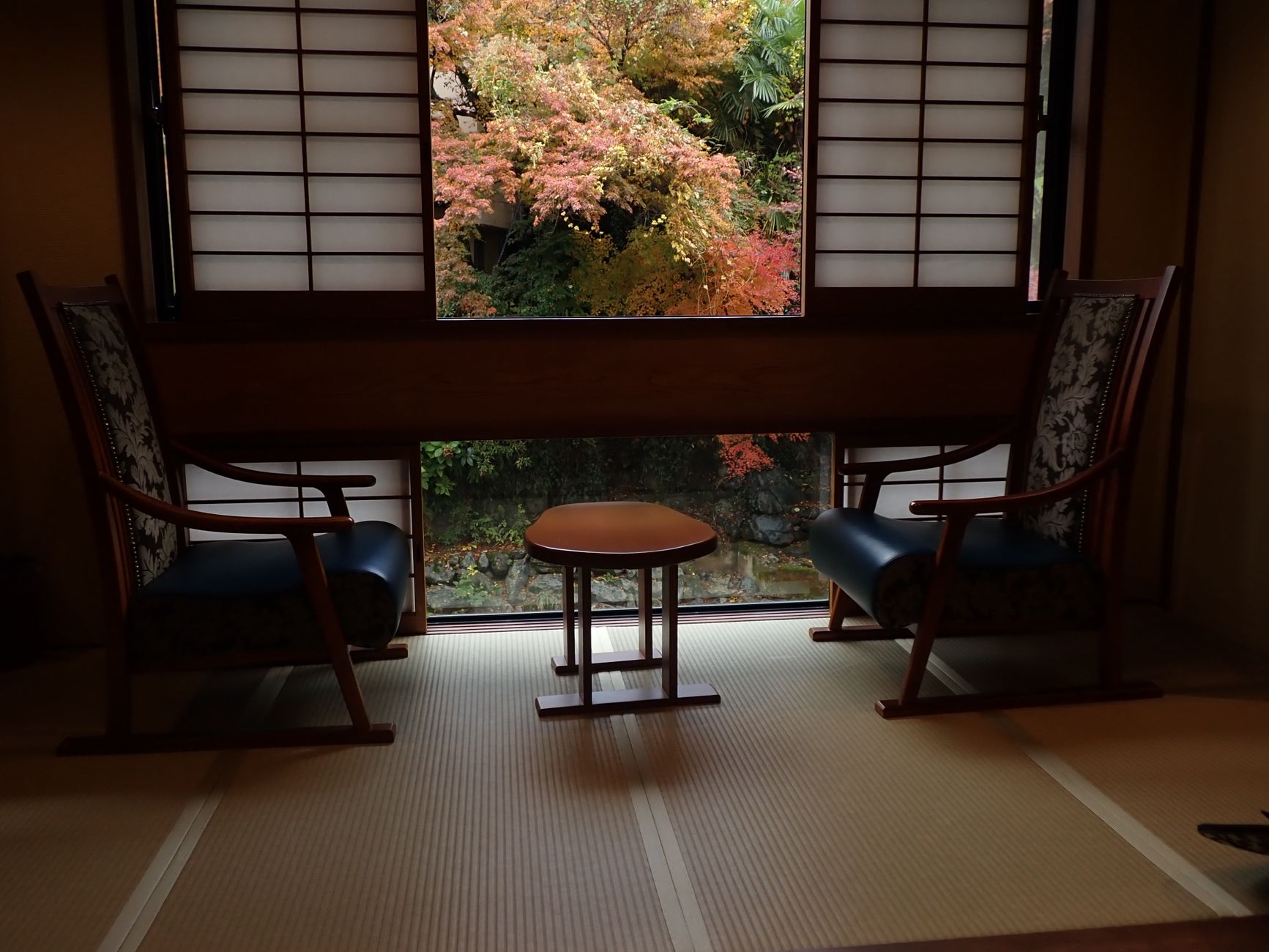
Silence in Timber and Moss: Inside Kyoto's Most Restorative Ryokans
Table of Contents
"In a world saturated with digital noise, the quiet sliding of a mulberry paper screen is an awakening."
1. The Concept of Ma (Negative Space)
In traditional Japanese architectural theory, space is not an emptiness to be filled with ornamental clutter; it is a vital presence. The tatami room in a historic Kyoto ryokan presents almost nothing upon first glance: a clean woven rush floor, a solitary hanging scroll in the alcove (tokonoma), and a single ceramic vase holding a seasonal branch.
This deliberate restraint allows the guest’s mind to settle. The eye is no longer assaulted by competing claims for attention, turning focus toward the play of daylight upon cedar columns.
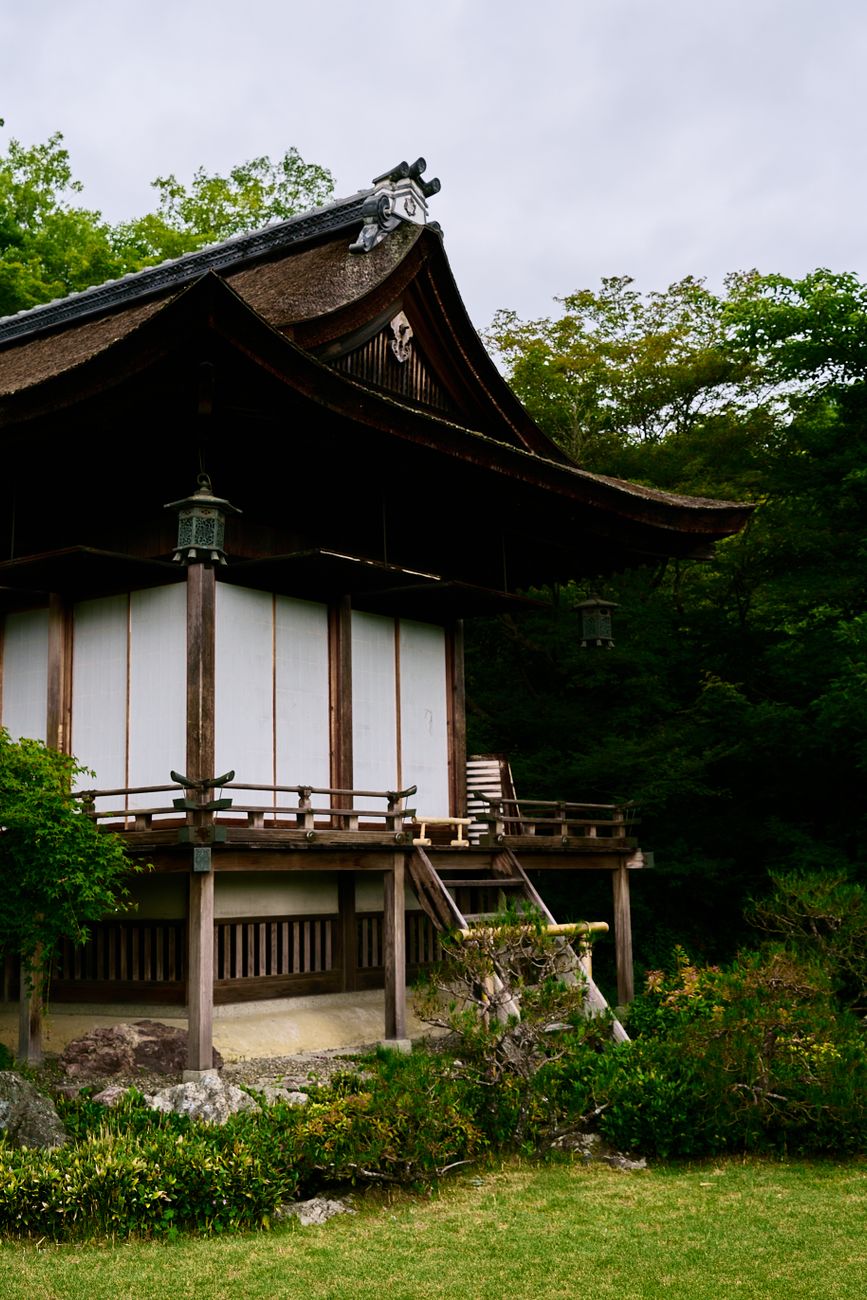
Raked gravel gardens reflecting morning light in northeastern Kyoto.
2. Hinoki Cypress and Shōji Screens
Step into the private bath pavilion and the rich aroma of unvarnished Hinoki wood fills the room. When warm spring water touches the untreated wood grain, natural terpenes release, creating an immediate restorative sensation.
Through translucent shōji lattice screens, the surrounding moss garden is blurred into subtle silhouettes. Shadows of bamboo leaves sway gently in the wind, converting nature into a dynamic monochromatic painting.
3. Kaiseki as Micro-Seasonal Poetry
Dinner served in private quarters represents the culinary zenith of micro-seasonality. Ingredients are selected not merely by month, but by the seventy-two micro-seasons of the lunar calendar.
Sweet river ayu grilled over binchotan charcoal, mountain fiddlehead ferns, and clear dashi broths made from aged kombu showcase deep technical precision hidden behind outward simplicity.
4. Etiquette of the Traditional Inn
- Footwear: Remove shoes immediately at the genkan threshold; switch to provided soft slippers.
- Voice: Speak softly within corridors to preserve the acoustic sanctity shared by all guests.
- Time: Arrive strictly at designated dining hours out of respect for the culinary master's timing.